
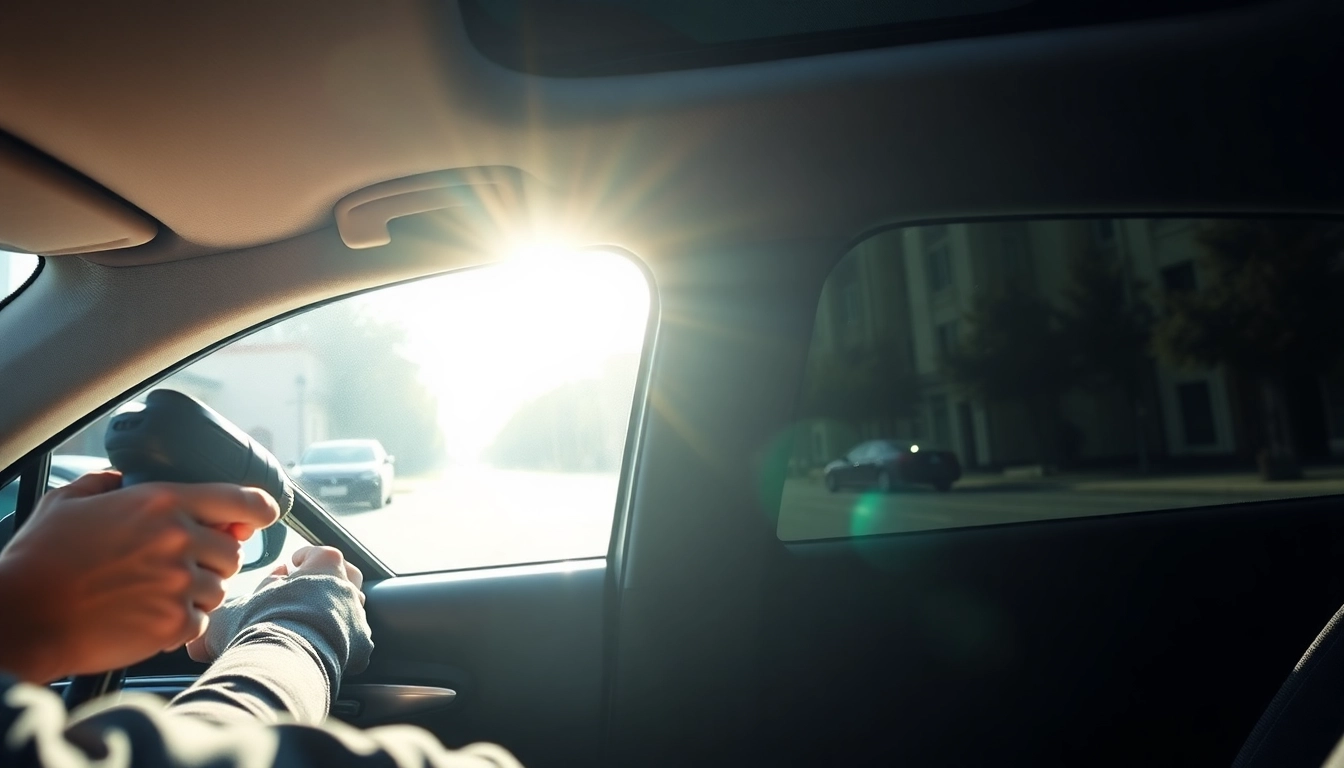
Understanding Window Tinting Cleveland TN
What Is Window Tinting?
Window tinting is the process of applying a thin film to the glass surfaces of vehicles, homes, or businesses to reduce the amount of sunlight that enters. This film comes in varying degrees of thickness and can be made from numerous materials. It serves both aesthetic purposes and functional benefits by enhancing privacy, improving comfort, and protecting interiors from UV damage. In Cleveland, TN, where sunlight can be intense, window tinting Cleveland TN offers a popular solution for vehicle owners looking to enhance their driving experience.
Benefits of Window Tinting Cleveland TN
There are numerous advantages associated with window tinting in Cleveland, TN. Here are some significant benefits:
- Heat Reduction: Window tinting significantly lowers the temperature inside your vehicle by blocking UV and infrared rays. This results in a comfortable driving experience, especially during the warm months.
- UV Protection: Prolonged exposure to UV rays can lead to skin damage and fading of your vehicle’s interior. Tinted windows can block up to 99% of harmful UV rays, protecting both passengers and the vehicle’s upholstery.
- Increased Privacy: Tinting provides an added layer of privacy for passengers and valuables, making it difficult for outsiders to see inside the vehicle.
- Enhanced Appearance: Aesthetic appeal is another attractive feature; tinted windows give vehicles a sleek, stylish look that reflects personal taste.
- Glare Reduction: Tinted windows can reduce glare from the sun and headlights, leading to safer driving conditions.
Types of Window Tints Available
Various types of window tints are available, each designed to meet different needs and preferences:
- Dyed Window Film: This affordable option uses dye in the film to filter sunlight. While it can enhance the aesthetic look of the vehicle, it may not provide the best heat rejection.
- Metalized Window Film: This type includes metal particles which reflect heat and offers additional strength to the windows, enhancing shatter resistance.
- Carbon Window Film: Carbon tints offer excellent heat blocking capabilities while ensuring a matte finish that doesn’t fade over time.
- Ceramic Window Film: The most advanced type, ceramic tints provide superior UV protection and heat rejection without interfering with electronic signals.
Choosing the Right Tint for Your Vehicle
Factors to Consider for Window Tinting Cleveland TN
When choosing window tinting for your vehicle, consider these key factors:
- Local Climate: Cleveland experiences various weather conditions. Choose a tint that effectively reduces heat if you often drive in sunny or hot conditions.
- Personal Preference: The aesthetic look is essential. Consider how different shades will complement your vehicle.
- Purpose: Identify whether you want the tint for privacy, heat reduction, UV protection, or enhanced appearance. Your primary reason can influence your choice.
- Warranty: Ensure to check if the tint comes with a warranty for quality assurance.
Legal Regulations for Window Tinting
It’s crucial to adhere to the legal regulations regarding window tinting in Tennessee. Each state has specific laws defining the allowable darkness (VLT – Visible Light Transmission) of tints. In Tennessee, the front windshield must allow more than 70% light, while side and back windows can be tinted darker. Familiarizing yourself with these regulations is essential to avoid fines or complications.
Color and Shade Options
Window tints come in varied shades, from light to dark. When selecting a color, consider the implications of different shades. Lighter tints provide a subtle change, while darker tints offer significant privacy and heat reduction but may limit visibility at night. It’s also essential to check the regulations governing the color and shade limits in Cleveland, TN, to ensure compliance.
The Window Tinting Process Explained
Steps Professional Technicians Follow
The window tinting process involves several steps that professional technicians typically follow:
- Preparation: Providing clear access to the windows and cleaning them thoroughly to remove any dirt or grime.
- Measuring and Cutting: Precise measurements are taken, and the film is cut to fit the specific windows.
- Application: The film is applied carefully using a squeegee to smooth out air bubbles.
- Trimming: Excess film is trimmed for a clean edge and smooth finish.
- Final Inspection: Technicians review the installation to ensure proper adherence and quality.
Tools and Materials Required
For a successful tinting installation, several tools and materials are essential:
- Window film
- Utility knife
- Heat gun
- Squeegee
- Clean cloths
- Measuring tape
- Soap solution for application
Tips for DIY vs. Professional Tinting
Many vehicle owners consider DIY window tinting; however, professionals typically guarantee better results. If you choose to go the DIY route, here are some tips:
- Invest in Quality Materials: Use high-quality films that resist peeling and bubbling for better longevity.
- Work in a Dust-Free Environment: Ensure minimal dust in your workspace to avoid imperfections in your installation.
- Follow Instructions Carefully: Adhere to the procedures specific to the product you’re using.
- Practice Patience: Rushing can lead to uneven cuts or air bubbles; take your time to ensure a good outcome.
Maintenance and Care for Tinted Windows
How to Clean Tinted Windows
Proper maintenance can extend the life of your tinted windows. Here’s how to clean them:
- Use a gentle glass cleaner that doesn’t contain ammonia.
- Use soft, microfiber cloths to avoid scratching the film.
- Avoid abrasive materials that can damage the tint.
Common Issues and Solutions
Tinted windows can encounter some issues over time. Here are a few common challenges and their solutions:
- Bubbles: If bubbles appear, they may require a professional to address them by reapplying the film.
- Peeling: Peeling edges might be addressed by rolling down the window to allow proper reattachment.
- Fading: If tints start to fade, replacing them may become necessary. Choosing high-quality films can prevent this.
Longevity of Window Tinting Cleveland TN
High-quality window tints can last anywhere from 5 to 15 years, depending on the brand, application quality, and environmental factors. Regular maintenance and proper care will significantly enhance the lifespan of your tint.
Frequently Asked Questions about Window Tinting
How much does window tinting cost?
The cost of window tinting varies depending on the vehicle type, tint film quality, and professional installation. Expect a range from $200 to $600 for standard services.
Does window tinting reduce heat?
Yes, window tinting can significantly reduce heat by blocking UV and infrared rays, making your vehicle’s interior cooler without relying on air conditioning.
How long does the installation take?
Installation of window tinting usually takes about 1-4 hours, depending on the number of windows and the film type.
Can I remove window tint?
Yes, window tint can be removed; however, it’s advisable to have a professional handle the removal to avoid damaging the glass.
What warranties are available for window tinting?
Most professional tints come with warranties that cover issues like discoloration, peeling, or bubbling, typically lasting anywhere from 5 to 10 years.
